
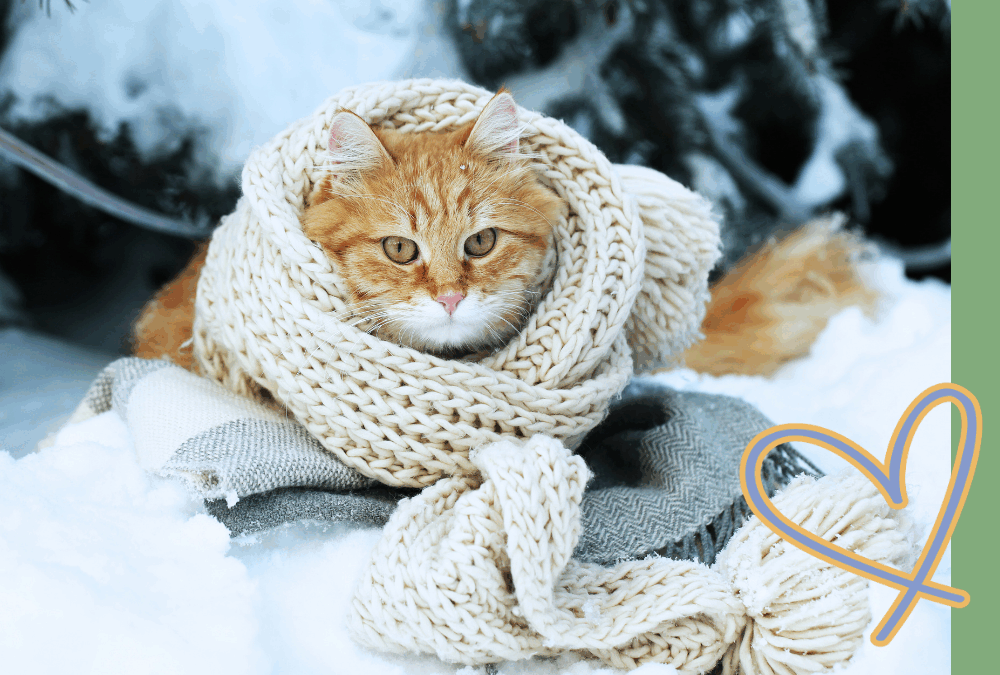
As winter settles into Lexington, South Carolina, many local pet owners around White Knoll and Red Bank ask the same question: “How cold is too cold for my dog or cat?” While our winters here are generally mild compared to many parts of the country, chilly mornings, cold fronts, and damp air can still pose health risks for our four‑legged family members. At South Lake Vet, we want to help you understand cold weather dangers and take effective steps to keep your pets safe and comfortable throughout the season.
Understanding Cold Weather and Pets in Lexington, SC
Every pet’s tolerance to cold is different. Healthy adult dogs and cats can usually handle temperatures above about 45°F for short periods. Below that point, smaller dogs, short‑haired breeds, older pets, and most cats may feel uncomfortable or begin to experience health issues.
Here in the Lexington area – including White Knoll, Red Bank, and surrounding communities – winter mornings can dip into the 30s or lower. When temperatures fall below 32°F, the risk of hypothermia and frostbite increases, especially if your pet spends extended time outdoors. If it drops below 20°F – rare but possible during strong cold fronts – even larger, thick‑coated dogs can be at risk.
Recognizing Signs of Hypothermia in Pets
Hypothermia develops when a pet’s body temperature drops too low and is considered an emergency. Watch for these common signs:
- Shivering or trembling
- Cold ears, tail, or paws
- Slowed movements or confusion
- Lethargy or weakness
- Whining, vocalizing, or seeking warmth
- Pale or bluish gums
If you notice any of these symptoms, bring your pet indoors immediately and contact South Lake Vet for guidance or urgent care.
Winter Safety Tips for Dogs
Dress for the Weather:
Short‑haired or small breeds, as well as senior dogs, benefit from a well‑fitted dog coat or sweater on colder days.
Protect Their Paws:
Consider protective booties or a moisturizing paw balm to reduce irritation from cold ground and any de‑icing products on sidewalks near Red Bank Road or White Knoll areas.
Short Walks and Warm‑Up Time:
On especially cold days, keep walks brief. After returning indoors, towel your dog dry and allow time to warm up in a draft‑free space.
Winter Safety Tips for Cats
Keep Cats Indoors:
Cats are especially vulnerable in cold weather. Outdoor cats near neighborhoods like White Knoll or Red Bank may seek shelter in dangerous places like under car hoods or inside wheel wells.
Check Before You Drive:
Before starting your vehicle on chilly mornings, tap the hood or honk the horn to make sure no cat has taken refuge near the engine.
Hidden Indoor Winter Dangers
Cold weather doesn’t eliminate indoor hazards. Many cats are drawn to warm appliances like clothes dryers. Always:
- Check the dryer before use to ensure a cat has not sneaked inside.
- Create warm, safe resting spots away from drafts, open flames, and unsupervised space heaters.
These precautions can prevent severe injuries such as burns, heat stroke, or trauma.
Pets and Cars in Winter
Cold cars cool rapidly, and temperatures inside a parked vehicle can become unsafe for pets in a very short time. If you’re running errands around Lexington, it’s best to leave your pet safely at home or bring them inside with you.
Final Thoughts from South Lake Vet
Although winters near White Knoll and Red Bank in Lexington, SC are typically mild, a few cold days are enough to affect your pet’s health. When in doubt, limit outdoor time, offer warm shelter, and pay close attention to behavior changes.
If you have any concerns about your pet’s winter health or want to schedule a seasonal wellness check, South Lake Vet is here for you. We proudly support pet families throughout Lexington with trusted, compassionate veterinary care.