
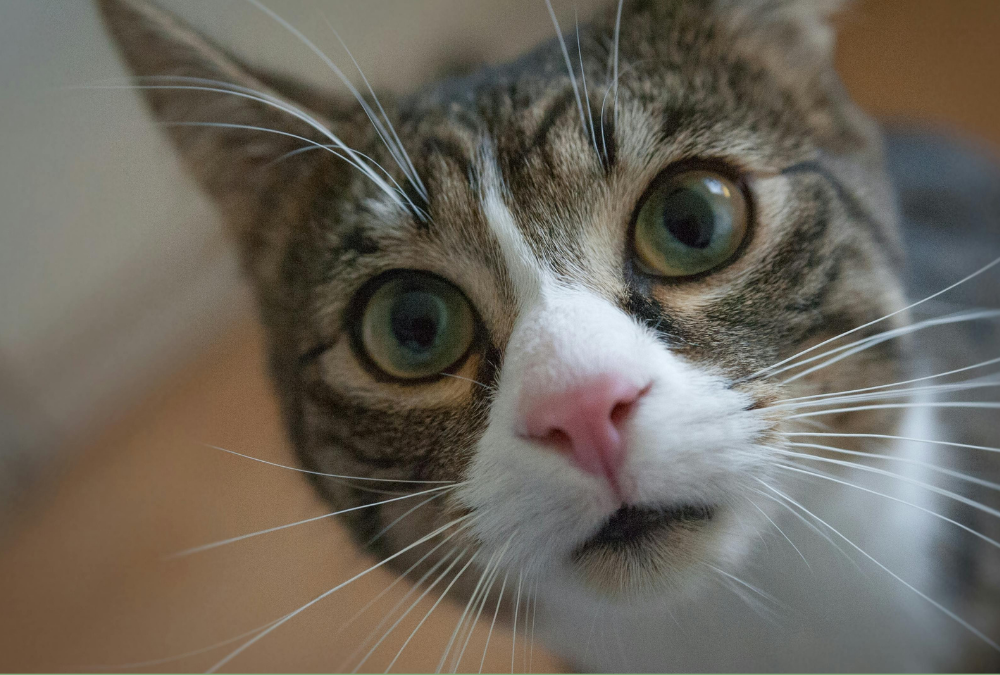
Let’s be honest, pets are curious. Very curious.
If something smells interesting, falls on the floor, or looks even slightly like food, your dog or cat is probably going to investigate it with their mouth. Unfortunately, not everything in your home is safe for pets, and some everyday items can cause serious health problems.
At South Lake Vet in Lexington, South Carolina, we see this more often than you might expect. The good news is that most of these situations are preventable once you know what to look for.
Let’s take a look at the most common household toxins and how to keep your pet safe.
What Are the Most Common Household Toxins for Pets
Some of the most common household toxins for pets include:
- Chocolate
- Xylitol, a sugar substitute
- Grapes and raisins
- Certain houseplants
- Human medications
- Cleaning products
Even small amounts can cause symptoms such as vomiting, tremors, seizures, or more serious complications. The key is keeping these items out of reach and acting quickly if something goes wrong.
Chocolate: Not Worth the Risk
Chocolate is one of the most common causes of pet poisoning, especially in dogs.
It contains theobromine and caffeine, which pets cannot process effectively. Dark chocolate and baking chocolate are especially dangerous.
Signs your pet may have eaten chocolate include:
- Vomiting
- Diarrhea
- Restlessness
- Increased heart rate
- Tremors or seizures
If your dog gets into chocolate, contact your veterinarian right away.
Xylitol: A Small Ingredient With Big Risks
Xylitol is a sugar substitute found in many everyday products, including:
- Gum
- Peanut butter
- Toothpaste
- Baked goods
- Some medications
In dogs, xylitol can cause a rapid drop in blood sugar and can lead to liver damage.
Symptoms may include:
- Vomiting
- Weakness
- Loss of coordination
- Tremors or seizures
This is considered an emergency, so it is important to contact your veterinarian immediately.
Human Foods That Are Not Safe for Pets
Many foods that are safe for people can be harmful to pets.
Avoid giving pets:
- Grapes and raisins
- Onions and garlic
- Alcohol
- Macadamia nuts
- Fatty leftovers
Some of these foods can lead to serious organ damage, even in small amounts.
Houseplants: Not Always Pet Friendly
Plants can make your home feel inviting, but some are not safe for pets.
Common toxic plants include:
- Lilies, which are especially dangerous for cats
- Sago palms
- Pothos
- Philodendron
- Aloe
Lilies are particularly dangerous. Even small exposures can cause severe kidney damage in cats.
If you are unsure about a plant, it is always best to check before bringing it into your home.
Human Medications: Keep Them Out of Reach
Human medications are one of the leading causes of pet poisoning.
Common examples include:
- Ibuprofen
- Acetaminophen
- Antidepressants
- ADHD medications
- Blood pressure medications
Pets often ingest medications that are dropped or left within reach. Never give your pet medication unless it is prescribed by your veterinarian.
Cleaning Products: Hidden Risks in the Home
Cleaning products can also pose a risk to pets.
Common hazards include:
- Bleach
- Disinfectants
- Toilet cleaners
- Essential oils
- Laundry detergent pods
Pets may be exposed by licking surfaces or walking through treated areas and grooming their paws.
Allow surfaces to dry completely before pets return to the area.
Signs Your Pet May Have Been Poisoned
Symptoms can vary depending on the toxin, but common warning signs include:
- Vomiting or diarrhea
- Drooling
- Weakness or lethargy
- Tremors or seizures
- Difficulty breathing
- Loss of coordination
If your pet shows any of these signs, contact your veterinarian immediately.
What To Do If Your Pet Eats Something Toxic
If you believe your pet has ingested something harmful:
- Remove access to the item
- Identify what your pet may have consumed and how much
- Contact your veterinarian or an emergency clinic right away
You can also contact:
ASPCA Animal Poison Control Center
888 426 4435 fees apply
Pet Poison Helpline
855 764 7661 fees apply
These services are available at all times and can help guide you through the next steps.
Keeping Lexington Pets Safe
Pets are naturally curious, and that curiosity can sometimes get them into trouble. Simple steps such as storing food and medications securely and choosing pet safe plants can significantly reduce the risk.
At South Lake Vet in Lexington, we are here to help you keep your pet safe and healthy. If your pet gets into something concerning or you have questions about potential hazards in your home, our team is ready to help.
Taking a proactive approach today helps ensure many more happy and healthy years with your pet.