
At South Lake Vet, we know that a healthy smile means more than fresh breath. Good dental care helps your pet eat comfortably, stay active, and avoid painful dental disease. For families in Lexington, Red Bank, and White Knoll, routine dental care is one of the most important steps you can take to support your pet’s long term health.
Dental disease is one of the most common conditions we see in dogs and cats at our Lexington veterinary hospital. The good news is that consistent at home brushing, combined with regular wellness exams and professional cleanings when needed, can make a significant difference.
If you are unsure how to begin, our team is here to guide you.
Why Brushing Your Pet’s Teeth Matters
When plaque is not removed regularly, it hardens into tartar. This buildup can lead to inflamed gums, infection, tooth loss, and even impact vital organs over time. Preventive dental care helps protect your pet from discomfort and more serious health concerns.
Routine exams at South Lake Vet allow us to monitor your pet’s oral health and recommend treatment early, before problems progress.
Getting Started at Home
Choose the Right Tools
Select a soft bristled toothbrush designed for pets or a finger brush if that feels more comfortable. Always use toothpaste formulated specifically for dogs or cats, as human toothpaste is not safe for them.
Many pet toothpastes come in flavors that make brushing more pleasant. Finding one your pet enjoys can help create a positive routine.
Introduce Brushing Gradually
Allow your pet to sniff the toothbrush and taste a small amount of toothpaste from your finger. This helps them become familiar with the process.
Start slowly and keep sessions short. With patience and consistency, most pets adjust well over time.
Create a Calm Environment
Choose a quiet, comfortable space in your home. Brushing after a walk or play session can help your pet feel more relaxed. A calm setting makes the experience easier for both of you.
How to Brush Your Pet’s Teeth
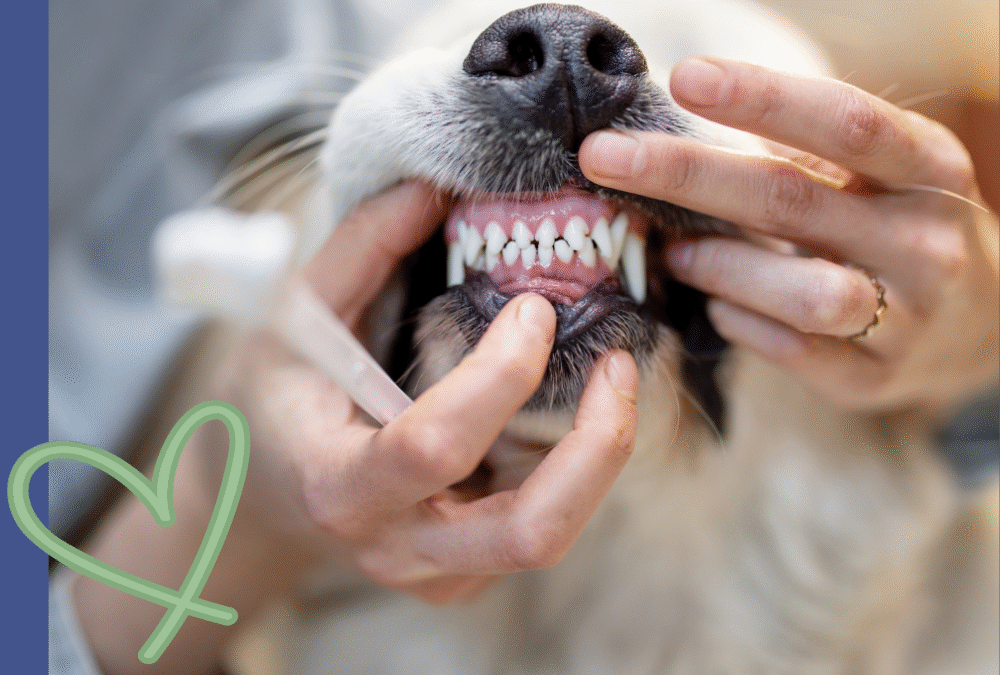
Gently lift your pet’s lip to expose the teeth. Begin with a few teeth at a time if they are new to brushing.
Hold the toothbrush at a slight angle toward the gumline and use gentle circular motions. Focus on the outer surfaces of the teeth, especially the back molars where plaque often accumulates.
Offer praise and reassurance throughout the process. Ending with positive reinforcement helps build a successful long term habit.
Consistency Is Key
Daily brushing is ideal, but even a few times a week can provide meaningful benefits. Establishing a routine supports ongoing dental health and strengthens the bond you share with your pet.
If you ever have questions about brushing techniques, dental products, or signs of dental disease, the team at South Lake Vet is happy to help. We provide guidance tailored to your pet’s specific needs.
When to Schedule a Dental Exam
Contact our team if you notice persistent bad breath, red or bleeding gums, difficulty chewing, drooling, or loose teeth. These signs may indicate the need for a professional dental evaluation.
Serving families in Red Bank, White Knoll, and throughout Lexington, SC, South Lake Vet is committed to proactive, compassionate care. Brushing your pet’s teeth is a simple yet powerful act of love that supports a healthier future.
If your pet is due for a wellness exam or dental check, we invite you to schedule an appointment today. Together, we can keep those smiles bright and those tails wagging for years to come.